|
-
25th March 07, 09:10 AM
#1
Knife-pleat tapering info
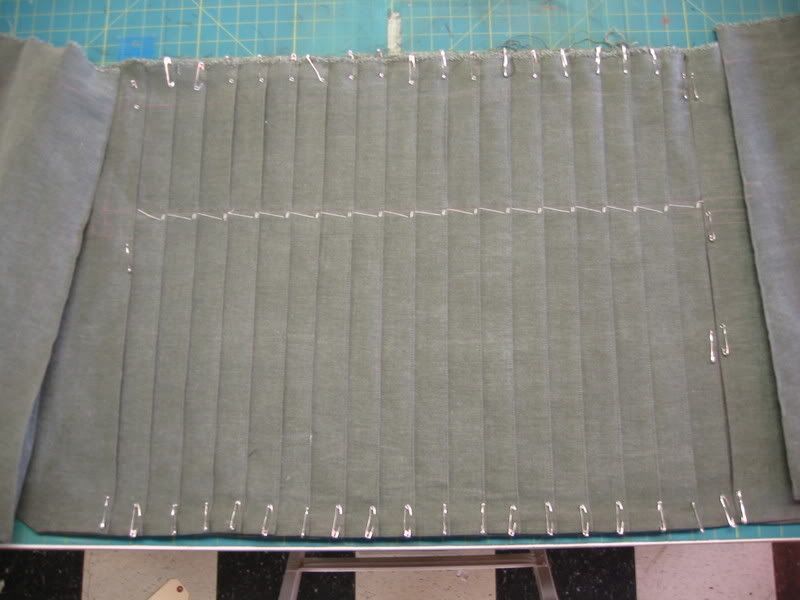
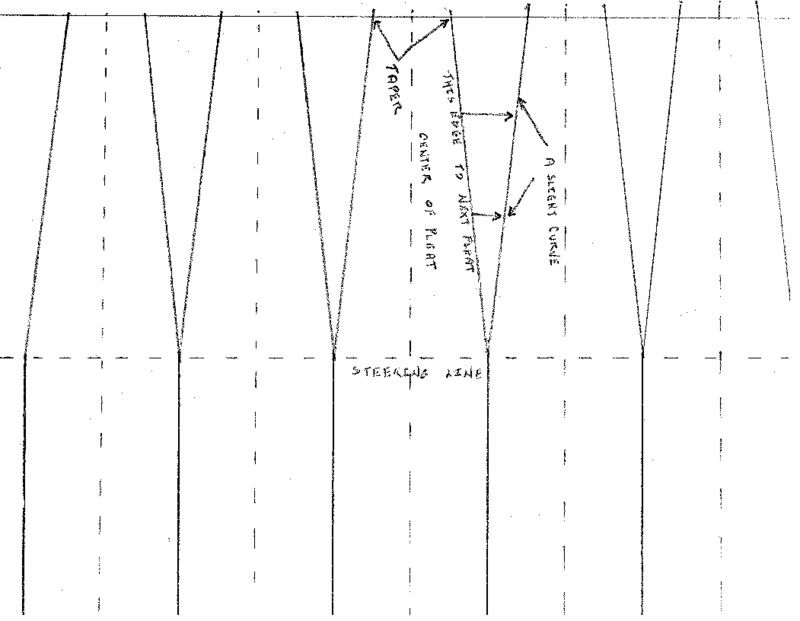
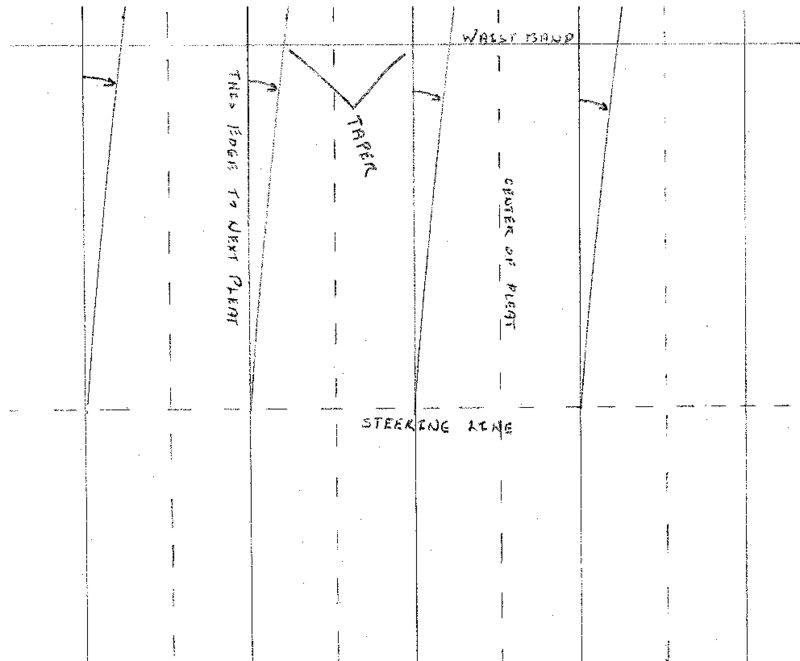
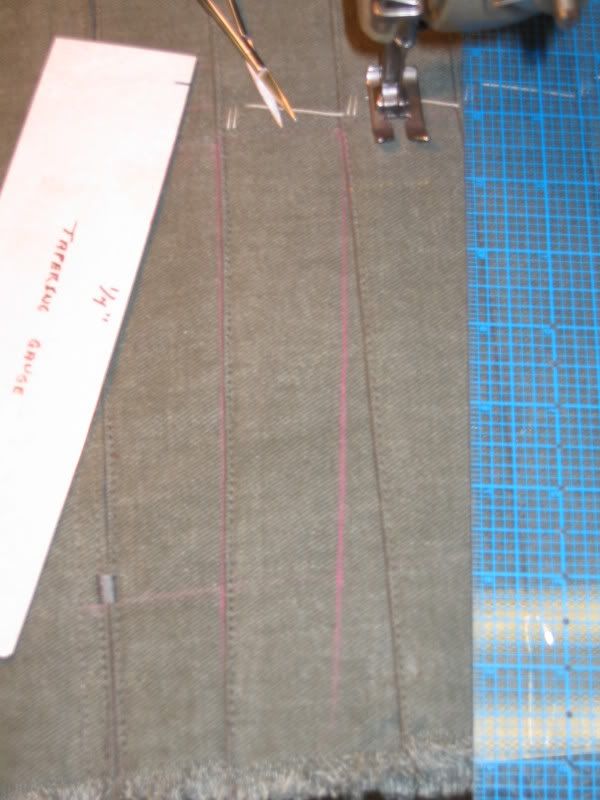
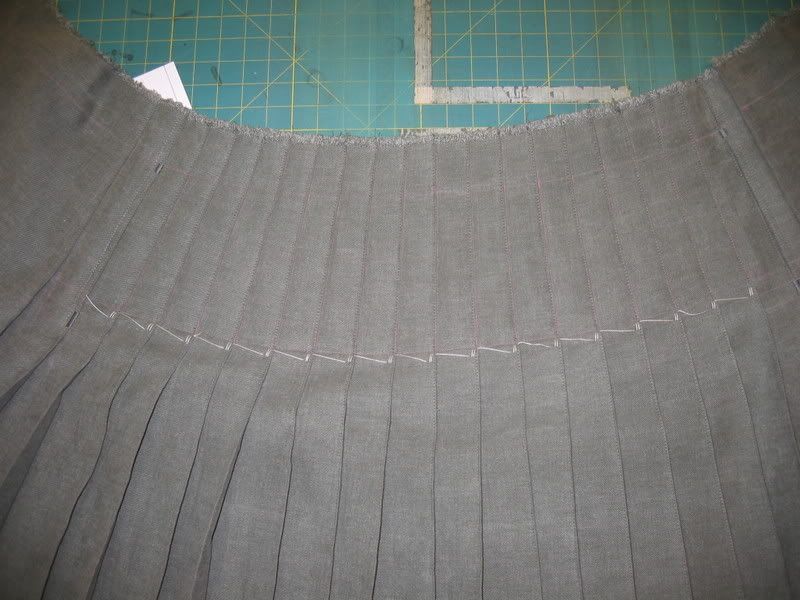
I have , and still have problems with making a nice looking knife pleat taper from waist to fell. Could someone please provide a couple of close up photos of how the pleat is narrowed from the fell to the waist. I have read everythign I can and have several books but it appears everyone else in the world understands BUT me. Please do not ask me to experiment as I already have tried to pin it up before sewing and it looks like hell as well as not very tapered to boot. Please note that I was carefully taught as a child that if at first you don't succede, let someone competent do the task. It is for this reason, I need to see clearly how to accompolish this task. For this reason, I MUST know in advance how to do something before I can do it.
Appreciate any help.
Gordon
-
-
25th March 07, 10:31 AM
#2
Let me suggest that you first acquire a book titled The Art of Kiltmaking. Order it online from Celtic Dragon Press. It has the instructions, complete with pictures, on how to construct a traditional wool kilt.
Good luck and have fun.
"Listen Men.... You are no longer bound down to the unmanly dress of the Lowlander." 1782 Repeal.
* * * * *
Lady From Hell vs Neighbor From Hell @ [url]http://way2noisy.blogspot.com[/url]
-
-
28th March 07, 02:54 PM
#3
Something I need to work on myself.
-
-
28th March 07, 03:00 PM
#4
Steps to a perfect knife pleat..
1. Purchase bottle of favorite single malt.
2. Retrieve phone number of favorite kiltmaker
3. Open bottle of single malt. Pour a dram or two.
4. Extend index digit to telephone and dial kiltmaker
5. Transfer sum of currency to kiltmaker for desired kilt
6. Enjoy single malt after your victorious conquest of the pleats!
-
-
28th March 07, 03:06 PM
#5
Are you working on Tartan or solid?
Are you sewing down the edge of the pleats?
Do you want a Traditional Pleat Taper or a Contemporary Taper?
Steve Ashton
www.freedomkilts.com
Skype (webcam enabled) thewizardofbc
I wear the kilt because: Swish + Swagger = Swoon.
-
-
28th March 07, 05:15 PM
#6
 Originally Posted by Phicong

Please note that I was carefully taught as a child that if at first you don't succede, let someone competent do the task.
Every family has a mantra! My dad's mantra was, "Some other idiot had to learn how to do this, so I should be able to!"
Barb
-
-
29th March 07, 06:11 PM
#7
-
-
29th March 07, 06:13 PM
#8
Barb, my fathers Motto was "I buy you books and buy you books and all you do is chew on the covers. Just quit your crying and go figure it out."
Steve Ashton
www.freedomkilts.com
Skype (webcam enabled) thewizardofbc
I wear the kilt because: Swish + Swagger = Swoon.
-
-
29th March 07, 06:28 PM
#9
Steve - That was an awesome and generous post.
You've got to love how nice and helpful forum members are here at X-Marks the Scot. Good for you. Thanks (I'm inspired to go and do a good turn myself . . . what to do, what to do . . .)
-
-
29th March 07, 08:57 PM
#10
 Thank you Steve Ashton Thank you Steve Ashton
Steve,
You are surely a Gentleman and a Scholar in the truest sense of the words. A Gentleman for being so kind to take the time and effort provide a fine presentation and a Scholar for being able to make this presentation in such a manner as to be completely understandable. Thanks again.
Gordon
-
Similar Threads
-
By Erisianmonkey in forum DIY Showroom
Replies: 8
Last Post: 28th March 07, 02:18 PM
-
By wsk in forum The Tartan Place
Replies: 23
Last Post: 2nd December 06, 08:32 PM
-
By Freelander Sporrano in forum How to Accessorize your Kilt
Replies: 14
Last Post: 1st November 06, 07:59 AM
-
By billmcc in forum General Kilt Talk
Replies: 7
Last Post: 14th February 06, 08:01 AM
-
By Freelander Sporrano in forum General Kilt Talk
Replies: 12
Last Post: 9th September 05, 02:52 AM
 Posting Permissions
- You may not post new threads
- You may not post replies
- You may not post attachments
- You may not edit your posts
-
Forum Rules
|
|












Bookmarks